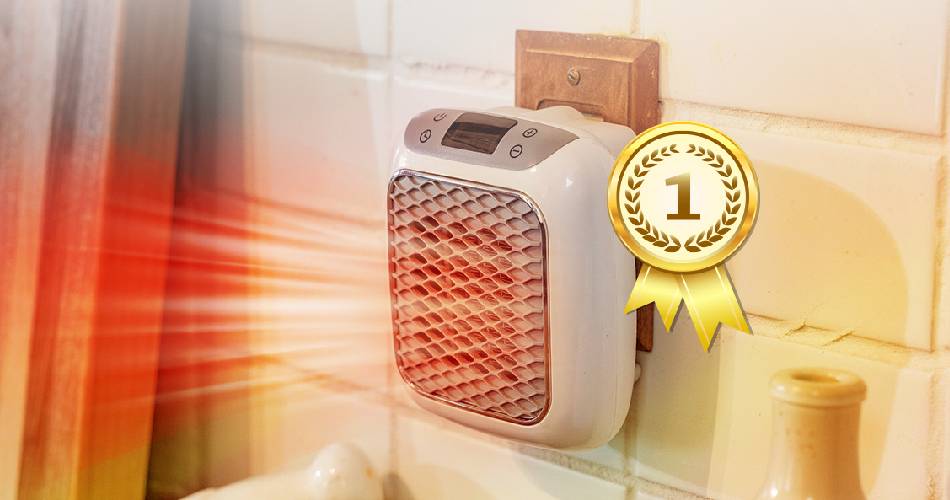
As cold weather arrives, portable space heaters become a favorite solution for knocking the chill out of drafty rooms and cutting down on central heating bills. While these compact appliances provide targeted, energy-efficient warmth, they are also associated with significant residential fire hazards if used incorrectly. Heating equipment remains one of the leading causes of home fires and injuries during the winter months. To enjoy cozy, reliable warmth without compromising your household's well-being, practicing strict safety protocols every time you power on a heater is essential.
Before operating any portable heater, ensure the device is equipped with essential modern safety mechanisms and tested by an independent laboratory. Look for certified safety marks from recognized testing organizations such as Underwriters Laboratories (UL), Intertek (ETL), or the Canadian Standards Association (CSA). Crucial features to verify include an automatic tip-over switch, which immediately cuts power if the unit is knocked over, and an overheat protection sensor that shuts down the heating element if internal temperatures reach dangerous levels. Investing in an up-to-date model with these built-in safeguards dramatically reduces the risk of an accident.
Proper spatial placement is the cornerstone of space heater safety, and the universal guideline to follow is the "three-foot rule." Always maintain at least a three-foot (one-meter) perimeter of completely clear space around every side of the heater. Keep it far away from combustible household materials such as drapes, blankets, upholstered furniture, rugs, throw pillows, and paper products. Furthermore, never drape damp clothing or towels directly over a space heater to dry them, as covering the unit is a frequent cause of localized ignition and severe heat buildup. In addition to keeping a clear perimeter, the surface upon which you set your heater plays a vital role in its safe operation.
Always place the unit on a flat, level, and non-flammable hard surface such as tile, hardwood, or laminate flooring. Avoid placing portable heaters on high-pile carpets or thick rugs, as the dense fibers can trap heat underneath the base and restrict necessary intake airflow. Additionally, never set a heater on an elevated surface like a nightstand, chair, or shelf, where it is far more susceptible to being accidentally knocked over or falling. Electrical safety is another critical area that requires strict adherence, as space heaters draw a tremendous amount of electrical current. Always plug the heater's power cord directly into a dedicated wall outlet; never connect it through an extension cord, power strip, or multi-outlet surge protector.
These intermediate devices are rarely rated to handle the continuous high-amperage draw of a portable space heater, which can cause internal wiring to overheat, melt, and ignite. Ensure the plug fits snugly into the receptacle, and if the wall outlet plate feels hot to the touch, unplug the unit immediately. One of the most fundamental rules of space heater operation is to never leave an active unit unattended. Turn off and completely unplug the heater whenever you leave the room or head out of the house. More importantly, resist the temptation to run a portable heater all night while you sleep. If you need supplemental warmth overnight, warm up the bedroom prior to turning in, or utilize extra thermal blankets instead. Unsupervised heaters can malfunction or be tipped over in the dark, leading to dangerous fire hazards before you have time to react.
Special precautions are necessary when operating heaters around vulnerable household members or in moisture-prone zones. If you have curious children or energetic pets, supervise the area constantly and consider using a physical safety gate to keep them away from radiant elements and hot metal grilles. Additionally, avoid placing standard space heaters in bathrooms, laundry rooms, or kitchens where water contact is possible. Unless a unit is specifically engineered for high-humidity environments with a built-in Ground Fault Circuit Interrupter (GFCI) plug, moisture creates severe electrical shock and short-circuit hazards. Consistent inspection and routine maintenance are crucial to ensuring your heating equipment remains safe season after season. Before taking your heater out of seasonal storage, thoroughly inspect the power cord for cracks, fraying, or bent prongs, and discard any unit with visible wear.
Clean away any accumulated dust, pet hair, or debris from the intake grilles and heating elements using a soft brush or vacuum attachment, as built-up dust can overheat and smoke. If a heater begins producing strange buzzing noises, foul burning odors, or inconsistent heat, discontinue its use immediately. Portable heaters are remarkably effective tools for keeping your living spaces comfortable through the coldest days of the year, provided they are treated with the caution high-powered electrical appliances deserve. By establishing a dedicated clear zone, plugging directly into wall receptacles, verifying built-in safety mechanisms, and never leaving running units unattended, you can eliminate the vast majority of heating-related hazards. Taking a few proactive safety steps today ensures that your home stays reliably warm, comfortable, and safe all winter long.